Experienced Emergency Care Florence SC Pros
The Value of Arborists: Full-Spectrum Services for Peak Tree Health and Risk Management.
Arborists serve a crucial function in preserving the vitality and protection of trees. The knowledge they possess covers aspects such as tree biology, managing pests, and structural integrity. Regular maintenance is necessary for avoiding possible dangers and fostering health. Nonetheless, many property owners overlook the signs of tree distress that could cause major problems. Knowing what tree specialists provide can drastically improve the duration and appearance of landscapes. What are the key services they provide?
Knowing the Purpose of Arborists
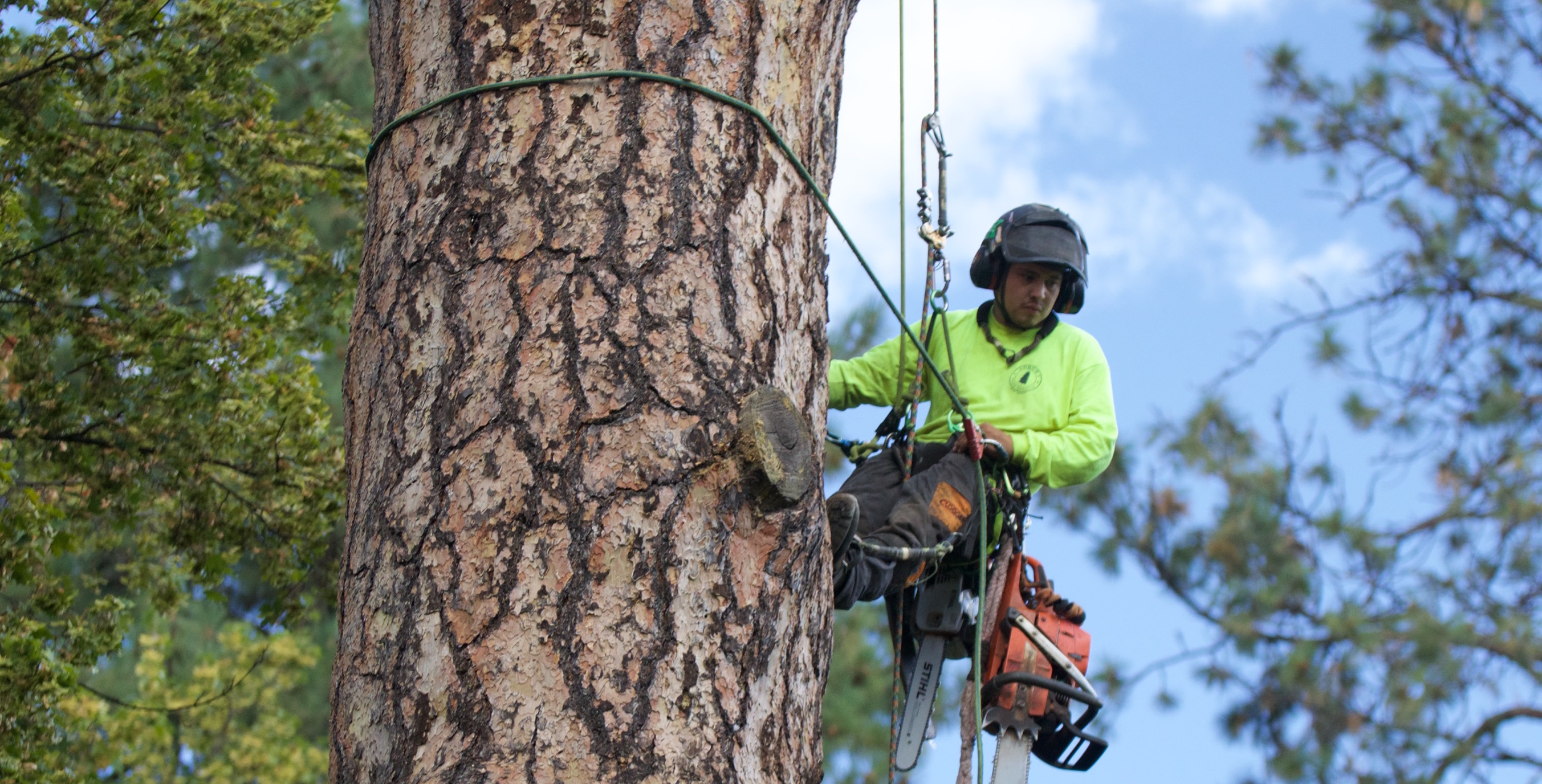
Even though many admire the beauty of trees, few understand the essential part that arborists play in keeping them healthy and secure. Arborists are highly trained individuals skilled in the knowledge and practice of tree care. They hold profound insight of tree biology, ecology, and the different elements that affect tree growth and stability. They inspect trees for signs of disease, pest infestations, and structural weaknesses, making certain trees flourish in their environments. They highlight the ecological benefits of trees, such as carbon sequestration and wildlife habitat, emphasizing their importance in urban planning and environmental conservation. By implementing best practices in tree care, arborists aid in sustaining the overall health of urban forests and landscapes. Their skill is necessary in educating the public about careful tree ownership, encouraging deeper admiration for trees and the vital part they play in the ecosystem.
Main Offerings Available by Arborists
Arborists offer a diverse selection of essential services that support the well-being and security of trees. An important service is tree pruning, which means taking off dead or diseased branches to encourage development and avoid dangers. They carry out tree assessments, evaluating the condition and structural integrity of trees, pinpointing possible dangers, and recommending appropriate actions. Moreover, they assist with tree placement, guaranteeing trees are located in suitable locations with perfect ground quality to thrive
A further essential offering is controlling diseases and pests, with arborists who identify problems and apply treatment protocols to keep the trees safe (Florence Arborist). Moreover, many arborists engage in tree removal when necessary, carefully taking down hazardous trees to mitigate risks to property and people. Finally, they offer consulting, teaching clients on tree maintenance and care methods that promote vigorous growth. Collectively, these services are vital for upkeeping rural and urban settings
The Benefits of Routine Tree Upkeep
Routine upkeep provides many advantages that boost the trees' well-being and the safety of the environment around them. Through consistent application of care, such as pruning and thinning, trees can develop more strongly, facilitating improved light penetration and better airflow. This fosters robust structural development and lowers the danger of pest and disease outbreaks. Furthermore, regular maintenance helps to remove dangerous or dead limbs, decreasing the likelihood of property damage or personal injury during periods of strong wind.
Moreover, well-maintained trees enhance the visual beauty of landscapes, boosting property worth. They also encourage biological diversity by creating homes for different species. Hiring expert arborists guarantees that maintenance practices are executed properly, using their knowledge to assess tree health and administer the right treatments. Taken together, regular maintenance creates a safer setting while improving the vigor and longevity of trees, benefiting both the ecosystem and the community.
Recognizing Indicators of an Unhealthy Tree
How can one identify when a tree is stressed? Identifying symptoms of tree stress is essential for maintaining tree health and safety. Main indicators are leaves that are yellow or wilted, which may suggest insufficient water or a shortage of nutrients. In addition, a large number of falling leaves can indicate distress, especially when the tree is actively growing. Alterations in the bark's feel, such as peeling or cracking, often indicate underlying issues, including the presence of pests or disease. An unusual number of dead branches, particularly if they are scattered broadly, signals diminishing health. Furthermore, a compromised root structure, indicated by leaning or roots visible above ground, can jeopardize a tree’s structural integrity. Finally, the existence of mushrooms or fungi near the trunk's base may indicate decay. When these signs are spotted promptly, tree owners can act decisively to mitigate risks and promote the best tree health, securing the safety and lifespan of their trees.
Selecting the Ideal Arborist for Your Needs
When hiring a tree professional, which elements must be taken into account to ensure they are the right match for their tree care needs? To begin with, proper documentation is crucial; the arborist you hire needs the requisite training and credentials in tree care. A proven track record is also important; professionals who have established success tend to offer superior service. Additionally, checking references and customer reviews can offer insight into an arborist’s level of professionalism and trustworthiness.
The range of services offered is another factor is the types of services available. Be it disease management, emergency response, or pruning, the chosen professional needs to handle to specific needs. Moreover, it is advisable to inquire about insurance and safety practices to assure protection against potential liabilities. To conclude, getting several estimates allows you to compare cost and value, enabling informed decision-making. Through a thorough assessment of these elements, individuals can choose an arborist who is suitable for their demands and promotes the health and safety of their trees.
Frequently Asked Questions
What is the Recommended Frequency for Tree Maintenance?

Scheduling tree maintenance is recommended at least once a year for the majority of trees (Florence Arborist). However, specific needs may vary based on tree species, age, and local climate conditions, necessitating adjustments to the maintenance schedule accordingly
What Certifications Should I Look for in an Arborist?
In your search for an arborist, you must check for credentials such as ISA (International Society of Arboriculture) certification, accreditation by the TCIA (Tree Care Industry Association), or state-specific licenses that indicate proficiency in tree care and safety practices.
Are Arborists Able to Assist in Planting Trees?
Yes, arborists can assist in planting trees. These specialists deliver proficiency when choosing suitable tree types, guaranteeing the right techniques are used, and giving advice about the specific site factors, leading to robust growth and enhancing the landscape's ecological balance.
How Do Weather Conditions Affect The Management of Trees?
Climatic factors significantly impact arboricultural practices. Temperature extremes, moisture levels, and the direction of the wind influence how trees grow, well-being, and susceptibility to insects and diseases, demanding specific treatment approaches to ensure trees flourish in make a move varying environmental conditions.
What's the Standard Fee for Arborist Services?
The standard price for arborist services typically ranges from $300 to $1,500, influenced by elements like geographic area, the height and girth of the tree, and the complexity of the services required for necessary tree upkeep and vitality checks.